Call us now :07971549307
 Send Inquiry
 Send Inquiry
Polyacrylamide
Polyacrylamide Specification
- Structural Formula
- Polymer structure based on repeated units of acrylamide (C3H5NO)
- Shape
- Powder or granule form
- HS Code
- 39069090
- Physical Form
- Powder bead or gel form
- Purity
- Higher than 90% (varies with manufacturer)
- Solubility
- Highly soluble in water; insoluble in most organic solvents
- Molecular Weight
- Varies depending on the polymer chain length
- Usage
- Applied in various concentrations depending on the industrial process; typically as a powder or liquid form for dissolution
- Ingredients
- Polyacrylamide polymer composed of repeating acrylamide units
- EINECS No
- 618-350-3
- Ph Level
- Neutral to slightly alkaline (typically 5-9 in solutions)
- CAS No
- 9003-05-8
- Poisonous
- NO
- Melting Point
- Does not have a sharp melting point; decomposes around 190-230C
- Refractive Rate
- Not specifically determined due to its polymer nature
- Shelf Life
- Approximately 24 months if stored properly
- Density
- 1.302 Gram per cubic centimeter(g/cm3)
- Taste
- Odorless
- Grade
- Industrial Grade or Food Grade (depending on application)
- Application
- Used in water treatment paper manufacturing oil recovery textiles cosmetics and as a flocculant
- Appearance
- White or off-white powder granules or gel
- Smell
- Odorless
- Properties
- High molecular weight water absorbent excellent flocculant and thickening properties
- Storage
- Store in a cool dry place away from moisture and direct sunlight
- Molecular Formula
- (C3H5NO)n
About Polyacrylamide
One of the largest uses for polyacrylamide is to flocculate solids in a liquid. This process applies to water treatment, and processes like paper making, Screen Printing. Polyacrylamide can be supplied in a powder or liquid form, with the liquid form being subcategorized as solution and emulsion polymer.Another common use of polyacrylamide and its derivatives is in subsurface applications such as Enhanced Oil Recovery.
Excellent Flocculant for Industrial Applications
Polyacrylamides superior flocculating and thickening abilities make it indispensable in sectors such as wastewater treatment, paper production, and oil extraction. Its efficacy stems from its high molecular weight and solubility in water, efficiently aggregating suspended particles and facilitating their removal.
Versatile Forms and Easy Application
Available in powder, granule, and gel forms, Polyacrylamide can be tailored to various industrial processes. Its rapid dissolution and neutral pH suit diverse applications, whether as a liquid solution or dry powder added directly to systems.
FAQs of Polyacrylamide:
Q: How is Polyacrylamide used in water treatment processes?
A: Polyacrylamide acts as a flocculant in water treatment, aggregating suspended solids so they can be easily removed from wastewater, resulting in clearer, cleaner water.Q: What benefits does Polyacrylamide offer in industrial applications?
A: It delivers efficient particle aggregation, enhances filtration and sedimentation, optimizes viscosity for manufacturing processes, and improves yields in applications such as oil recovery and paper making.Q: When should Polyacrylamide be added during an industrial process?
A: It is typically introduced at the stage where solids need to be separated, such as during wastewater clarification or pulp formation in paper manufacturing. The exact timing varies according to process and equipment setup.Q: Where should Polyacrylamide be stored for optimal shelf life?
A: Store Polyacrylamide in a cool, dry place away from moisture and direct sunlight to maintain its quality and extend its shelf life up to 24 months.Q: What is the recommended usage concentration for Polyacrylamide in solutions?
A: The concentration depends on the targeted process and contaminants, but it is commonly used in low concentrations ranging from 0.01% to 1% in water-based solutions.Q: Is Polyacrylamide safe for use in food or cosmetic applications?
A: When produced to food or cosmetic grade standards and used within regulatory guidelines, Polyacrylamide is considered safe for these applications. However, always confirm compliance with local regulations.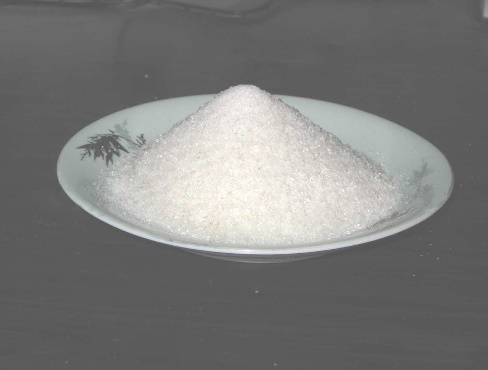
Tell us about your requirement

Price:
Quantity
Select Unit
- 50
- 100
- 200
- 250
- 500
- 1000+
Additional detail
Mobile number
Email

More Products in Inorganic Chemicals Category
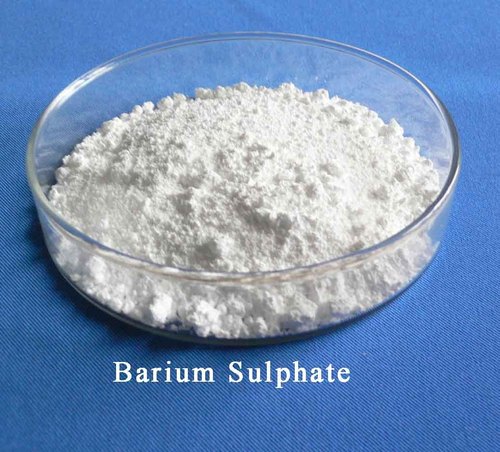
Barium Sulfate
Shelf Life : 24 months
Density : 4.5 Gram per cubic centimeter(g/cm3)
Taste : Other, Tasteless
Appearance : White fine powder
Grade : Industrial Grade
Application : Other , Used in paints, coatings, plastics, rubber, ceramics, paper, and as weighting agent in drilling fluids
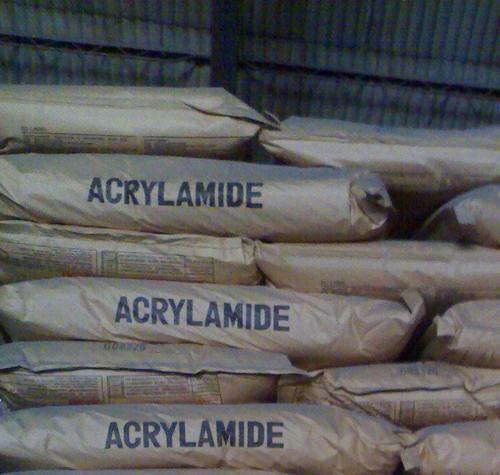
Acrylamide
Shelf Life : 2 years
Density : 1.122 Gram per cubic centimeter(g/cm3)
Taste : Odorless
Appearance : White crystalline powder
Grade : Industrial Grade
Application : Other , Manufacture of polyacrylamide, water treatment, paper making, mining, oil recovery
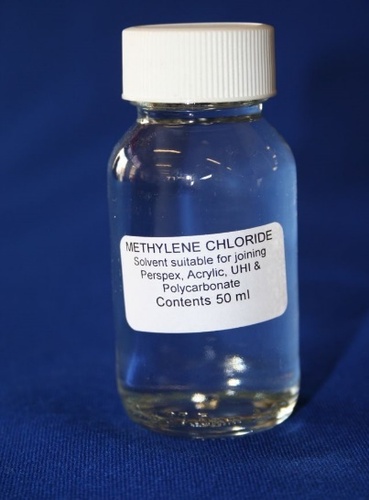
Methylene Chloride
Shelf Life : Varies depending on storage conditions but typically 12 years
Density : 1.33 Gram per cubic centimeter(g/cm3)
Taste : Other, Sweet and slightly chloroformlike
Appearance : Transparent colorless liquid
Grade : Industrial and analytical reagent grade
Application : Other , Used as an industrial solvent paint remover metal cleaner and in the production of polycarbonate plastics
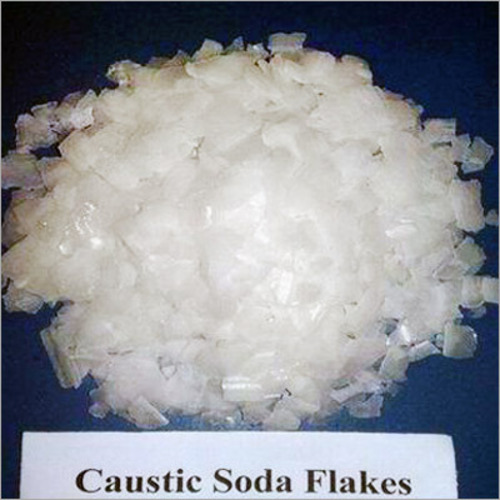
Industrial Caustic Soda Flakes
Shelf Life : Indefinite if properly stored
Density : 2.13 Gram per cubic centimeter(g/cm3)
Taste : Other, Caustic, soapy (not for tasting, harmful)
Appearance : White crystalline flakes
Grade : Industrial Grade
Application : Other , Chemical manufacturing, water treatment, soap and detergent production, pulp and paper, petroleum refining

 Send Inquiry
Our Products

7/1, Lords Building, Room No. 506, Lord Sinha Road, Kolkata - 700071, West Bengal, India

Mr Raghav Goenka
(Director )
Mobile :07971549307
 Send Inquiry
 Send SMS
Developed and Managed by Infocom Network Private Limited.
