Call us now :07971549307
 Send Inquiry
 Send Inquiry
Butyric Acid
Butyric Acid Specification
- Molecular Weight
- 88.11 g/mol
- Taste
- Unpleasant, rancid butter-like
- Smell
- Pungent, unpleasant, buttery odor
- Refractive Rate
- 1.397-1.399
- Molecular Formula
- C4H8O2
- Boiling point
- 163.7C
- HS Code
- 29156000
- Structural Formula
- CH3CH2CH2COOH
- Classification
- Organic Acids
- Organic Acid Types
- Carboxylic Acid
- Grade
- Industrial Grade, Food Grade
- Purity
- 99%
- Application
- Food Industry, Pharmaceutical Industry, Animal Feed Additive, Chemical Intermediates
- Appearance
- Colorless to yellowish oily liquid
- CAS No
- 107-92-6
- EINECS No
- 203-532-3
- Other Names
- Butanoic Acid
- Usage
- Flavoring agent, Intermediate in chemical synthesis, Perfume ingredient
- Melting Point
- -7.9C
- Density
- 0.958 Gram per cubic centimeter(g/cm3)
- Solubility
- Miscible with water, soluble in ethanol and ether
- Raw Material
- Derived from fermentation or synthetic processes
- Flash Point
- 72C (closed cup)
- Stability
- Stable under recommended storage conditions
- Viscosity
- Approx. 1.6 mPas at 25C
- Storage Conditions
- Store in a cool, dry, well-ventilated area in tightly closed containers
- Packing
- Available in 25 kg, 220 kg drums or IBC tanks
- Vapor Pressure
- 4 mmHg at 20C
- pH
- <1 (strongly acidic in aqueous solution)
- Hazard Class
- Corrosive, Irritant
About Butyric Acid
Butyric acid (from Greek , meaning "butter"), also known under the systematic name butanoic acid,abbreviated BTA,[5] is a carboxylic acid with the structural formula CH3CH2CH2-COOH. Salts and esters of butyric acid are known as butyrates or butanoates. Butyric acid is found in milk, especially goat, sheep and buffalo milk, butter, Parmesan cheese, and as a product of anaerobic fermentation (including in the colon and as body odor). It has an unpleasant smell and acrid taste, with a sweetish aftertaste (similar to ether). It an be detected by mammals with good scent detection abilities (such as dogs) at 10 ppb, whereas humans can detect it in concentrations above 10 ppm.Butyric acid is used in the preparation of various butyrate esters.Due to its powerful odor, it has also been used as a fishing bait additive.
Versatile Applications Across Industries
Butyric Acid is widely utilized as a flavoring agent, a chemical intermediate, and as a food additive in the food and pharmaceutical sectors. Its efficacy in enhancing the nutritional value of animal feed and its use in perfume manufacturing highlights its broad industrial versatility, ensuring reliable performance in diverse sectors.
Safe Handling And Storage Recommendations
Being corrosive and strongly acidic, Butyric Acid requires careful handling. Store in a cool, dry, well-ventilated area, tightly sealed to prevent any corrosive or irritant exposure. Compliance with recommended storage ensures product stability and safety during transport, warehousing, and application.
FAQs of Butyric Acid:
Q: How should Butyric Acid be stored to maintain its stability?
A: Butyric Acid needs to be stored in a cool, dry, and well-ventilated area with containers tightly closed. This prevents degradation and ensures stability as the product remains corrosive and an irritant if exposed.Q: What are the main uses of Butyric Acid in industrial applications?
A: Butyric Acid is chiefly employed as a flavoring agent in food products, as a chemical intermediate in synthesis, as an animal feed additive, and in the formulation of pharmaceutical and perfume ingredients.Q: When is Butyric Acid typically added during the manufacturing process?
A: In manufacturing, Butyric Acid is integrated either during the compounding of flavors, blending of pharmaceutical ingredients, or as part of feed formulation, depending on the applications specific requirements and desired product outcome.Q: Where is Butyric Acid sourced from, and how is it produced?
A: Butyric Acid can be derived from fermentation processes using agricultural substrates or synthesized chemically. Commercial suppliers may offer both natural and synthetic grades to suit industry demand.Q: What are the benefits of using Butyric Acid in animal feed?
A: When added to animal feed, Butyric Acid enhances feed efficiency and supports animal gut health, owing to its properties that promote digestion and nutrient absorption.Q: What safety precautions are necessary when handling Butyric Acid?
A: Due to Butyric Acids corrosive and irritating nature, personnel should use appropriate protective equipment, avoid direct contact, and handle it in accordance with hazardous material guidelines.Q: Which packaging options are available for distributing Butyric Acid?
A: Butyric Acid is available in 25 kg drums, 220 kg drums, and IBC tanks, allowing for flexible options suited to industrial, commercial, and transport necessities.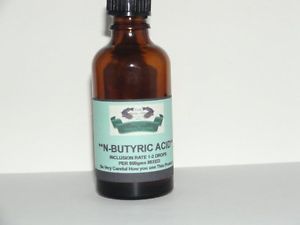
Tell us about your requirement

Price:
Quantity
Select Unit
- 50
- 100
- 200
- 250
- 500
- 1000+
Additional detail
Mobile number
Email

More Products in Acids Category
2Ethyl Hexanoic Acid 2EHA
Raw Material : 2Ethylhexanol
Grade : Industrial Grade
EINECS No : 2057436
Molecular Formula : C8H16O2
Application : Paints, Lubricants, Plasticizers, PVC Stabilizers, Metal Soaps, Alkyd Resins
Appearance : Clear, Colorless to Slightly Yellow Liquid
Phosphoric Acid
Raw Material : Phosphate rock
Grade : Other, Industrial/Food Grade
EINECS No : 2316332
Molecular Formula : H3PO4
Application : Food Industry, Fertilizer, Water Treatment, Chemical Synthesis, Metal Treatment
Appearance : Clear, Colorless Liquid
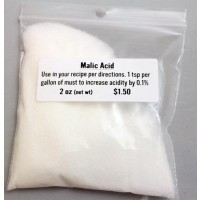
Malic Acid
Raw Material : Maleic anhydride
Grade : Other, Food Grade, Pharmaceutical Grade
EINECS No : 2066178
Molecular Formula : C4H6O5
Application : Food additive, Beverage, Pharmaceuticals, Cosmetics, Personal Care, Detergents
Appearance : White crystalline powder
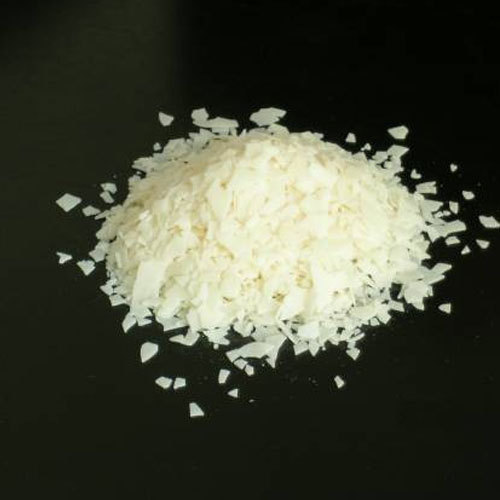
12 Hydroxy Stearic Acid
Raw Material : Castor oil derivative
Grade : Industrial Grade
EINECS No : 2040003
Molecular Formula : C18H36O3
Application : Used in lubricants coatings and cosmetics
Appearance : White flakes

 Send Inquiry
Our Products

7/1, Lords Building, Room No. 506, Lord Sinha Road, Kolkata - 700071, West Bengal, India

Mr Raghav Goenka
(Director )
Mobile :07971549307
 Send Inquiry
 Send SMS
Developed and Managed by Infocom Network Private Limited.
